

Why teeth move once braces or aligners are finished, how fixed and removable retainers compare, how long they are worn, and what to do when one breaks, loosens or goes missing.

In brief
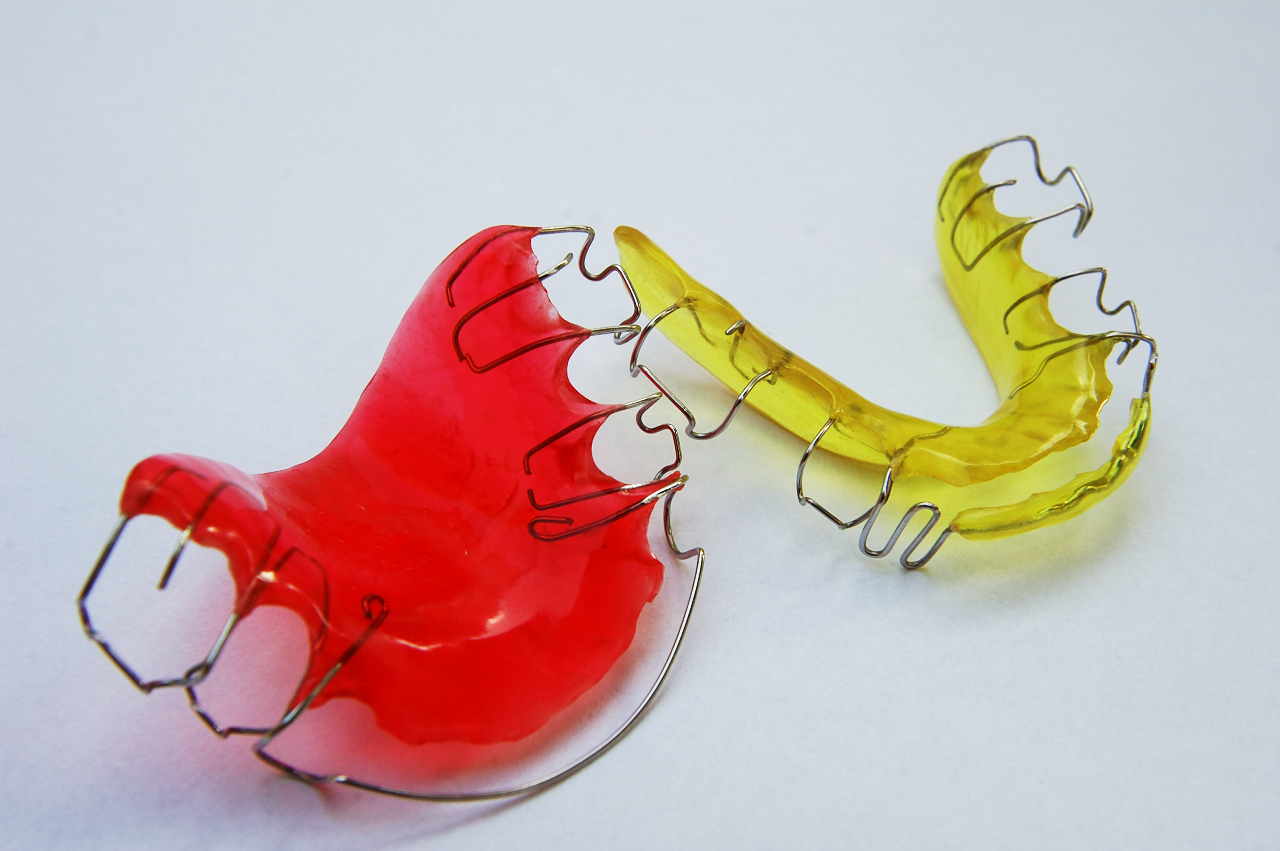
Teeth tend to drift back after braces or clear aligners, and they continue to move throughout life, so a retainer is worn long term. It may be a fine wire bonded behind the front teeth, a removable appliance worn at night, or both. Which suits you, and how often it is worn, is set at your assessment.
Key points
- Retention is part of the treatment, not an afterthought. Teeth move throughout life, whether they were straightened with braces or with aligners.
- There are two broad kinds. A fixed wire bonded behind the front teeth, and removable retainers in clear plastic or acrylic and wire. Many plans use both.
- The research does not crown a single type. A Cochrane review found low certainty evidence, with clear plastic retainers kinder to the gums than bonded wires.
- Removable retainers are generally worn at night, for as long as possible. Your own schedule may begin with more frequent wear.
- Bonded wires come loose more often than people expect, so a wire that feels loose or sharp warrants a prompt appointment.
- A retainer that no longer seats is a signal, not a nuisance. Early review keeps the options simple.
Jump to a section 7
Why teeth move once treatment ends
Braces and clear aligners move teeth through the bone by applying light, sustained pressure. When that pressure stops, the gum fibres and supporting tissues around each tooth still carry a memory of the old positions, and the teeth tend to move back toward them. This return is called relapse, and it is the reason retention exists.
There is a second, quieter reason. Teeth do not stay fixed in place even in people who have never had treatment. As Orthodontics Australia puts it, “teeth move throughout our life and without a retainer, the teeth will shift again” (Orthodontics Australia, Retain your brand new smile). Retention is therefore not a short phase that follows treatment. It is a long-term arrangement.
The principle is the same whichever system moved the teeth. Retention follows clear aligner treatment exactly as it follows fixed braces, and we discuss it with you before treatment begins, so the commitment is understood from the outset.
Fixed and removable retainers compared
A fixed retainer is a fine wire bonded to the inner surfaces of the front teeth. It cannot be seen in conversation and requires nothing to remember. A removable retainer is fabricated from a scan or impression of your finished teeth: either a thin, clear vacuum-formed shell that fits over them, or a Hawley retainer, which combines an acrylic plate with a fine wire across the front teeth.
Orthodontics Australia summarises the trade-off plainly: a fixed retainer means “you don’t have to actively remember to wear them”, but it “can be harder to keep it clean and floss your teeth”, whereas a removable retainer is easier to clean but must be worn consistently to work (Orthodontics Australia).
| Consideration | Fixed (bonded) wire | Clear removable | Hawley (acrylic and wire) |
|---|---|---|---|
| Visibility | Hidden behind the teeth | Very discreet when worn | The front wire is visible |
| Relies on you to wear it | No | Yes | Yes |
| Hygiene | Needs care beneath the wire | Removed for brushing | Removed for brushing |
| Durability | Can debond or break, sometimes unnoticed | Wears and can crack over time | Generally the longest lasting |
| Comfort | Nothing to put in or remove | Thin and comfortable | Bulkier, can affect speech at first |
What the research shows
The most thorough appraisal is a 2023 Cochrane review of 47 studies involving 4,377 adults and children. It found that clear plastic and Hawley retainers appear to hold teeth similarly well, that Hawley retainers are less likely to fail but are less comfortable, and that clear plastic removable retainers may be associated with better gum health than bonded wires. The authors rated the evidence as low or very low certainty and could not recommend one approach over another (Martin et al., Cochrane, 2023).
In practice that uncertainty is useful information. It means the choice rests on your bite, the movement that was achieved, the health of your gums and how reliably you will wear a removable appliance, rather than on a single preferred design. Combining a bonded wire with a removable retainer worn over it is a common way to balance those factors.
Concerned your teeth have moved?
An assessment establishes whether your teeth have shifted, whether a new retainer is clinically indicated, and what each option involves, including the risks and the alternatives.
How long, and how often, a retainer is worn
Healthdirect describes treatment as typically “12 to 24 months followed by a retainer for another 12 to 24 months or longer” (healthdirect, Dental braces and retainers). The words “or longer” carry the weight. Orthodontics Australia advises that patients with removable retainers “will generally need to wear their retainer every night for as long as possible”, and that fixed wires stay “in place for as long as possible”, reviewed at regular dental appointments.
Your own schedule is set when treatment concludes. It may begin with more frequent wear and settle into nightly wear once the teeth have stabilised. Reducing wear without advice invites the teeth to drift, and once they have moved, a retainer made for their earlier position will no longer fit them.
Caring for a retainer
A retainer collects plaque in the same way the teeth do, and heat can distort the plastic permanently. The guidance below follows Orthodontics Australia (How to care for your retainer).
- Clean it morning and night, with a soft brush under cool or lukewarm running water and a little mild soap. Toothpaste can be too abrasive for clear plastic.
- Keep it away from heat. Never boiling water, a dishwasher or a hot car: “hot temperatures will warp the shape of the retainer”.
- Store it in its case whenever it is out of your mouth, never in a pocket or wrapped in a napkin at a meal, which is how retainers are lost.
- Treat a bonded wire like a braces wire. Brush thoroughly, and use floss threaders or small interdental brushes beneath the wire.
- Bring it to your examination and hygiene appointments so its fit and condition can be checked.
When a retainer breaks, loosens or is lost
Bonded wires are dependable but not indestructible. A 2023 systematic review of 34 studies in the European Journal of Orthodontics reported a pooled failure rate of about 35% for fixed bonded retainers, counting breakage, loosening and debonding, with the rate rising the longer patients were followed (Aye et al., 2023). Because a wire behind the teeth is out of sight, a single loose point can go unnoticed while the tooth beside it moves.
Removable retainers fail differently: clear shells wear thin and crack, and any retainer can be bent, chewed by a pet or simply mislaid.
- Do not force it. If a removable retainer no longer seats, stop pressing it into place; a retainer that has been bent or warped can push teeth in the wrong direction.
- Keep the pieces. A broken retainer or a detached wire shows exactly what has failed.
- Contact the clinic promptly. Orthodontics Australia advises booking “straight away” if a fixed retainer feels loose or sharp.
- Review and replacement. We check whether the teeth have moved and, where they have not, arrange a new retainer from a fresh scan.
If your teeth have already moved
Some adults who return for orthodontic treatment had braces years ago and set their retainer aside. The signs are familiar: a retainer that feels tight or will not seat, a front tooth that has rotated slightly, or a small space that was not there before.
Where movement is slight, healthdirect notes that “a retainer may be all that’s needed to get them straight”. Where it is more established, a further course of clear aligners or braces may be considered, usually more limited in scope than the original treatment, followed once again by retention. Leaving the teeth as they are is also a legitimate choice, and it is one of the options we set out.
Retreatment is orthodontic treatment in its own right and carries the same considerations as the first course. The suitability of any option depends on an examination, records and x-rays, and results vary from person to person.
Risks to weigh before retreatment
Healthdirect lists the risks of braces and aligners as including scratches and ulcers where an appliance rubs, tooth decay or discolouration where hygiene is difficult, gum infection, and teeth moving again if a retainer is not worn as advised. The alternatives include a new retainer alone, limited treatment of the most visible teeth, or no treatment. You are welcome to seek a second opinion before deciding.
Questions patients ask
Do I have to wear a retainer forever?
Teeth continue to move throughout life, so retention is generally long term. Orthodontics Australia advises wearing a removable retainer every night for as long as possible. Your own schedule is set when treatment concludes and reviewed at your examination appointments.
Is a fixed or a removable retainer better?
Neither is better for everyone. A 2023 Cochrane review found low certainty evidence and could not recommend one approach over another, although clear plastic retainers were associated with better gum health than bonded wires. The choice depends on your bite, your gums and how reliably you will wear a removable appliance, and many plans combine the two.
Are retainers after clear aligners different from retainers after braces?
The principle is identical: teeth moved by aligners drift back just as teeth moved by braces do. The retainer is fabricated from a scan of your finished teeth and may be a clear removable retainer, a bonded wire or both, depending on your treatment.
My retainer feels tight. What should I do?
A retainer that feels tight usually means the teeth have begun to move since it was last worn. Do not force it into place. Contact the clinic, and bring the retainer with you, so we can assess whether it still fits safely or a new one is needed.
How do I know if my bonded wire has come loose?
You may feel a rough or sharp point, notice the wire moving when you touch it with your tongue, or see a gap opening between the front teeth. Orthodontics Australia advises booking an appointment straight away, because a tooth beside a loose bond can move.
Can I clean a clear retainer with toothpaste?
It is better not to. Toothpaste can be too abrasive for clear plastic and dulls it over time. A soft brush with mild soap and cool or lukewarm water is preferable, and hot water should always be avoided because it warps the plastic.
Do you provide retainers at both clinics?
Yes. Orthodontic assessment, treatment and retention, including the review and replacement of retainers, are available at our Vaucluse and Rose Bay clinics.
In summary
Teeth move after braces and aligners, and throughout life, so retention is long term. Fixed wires, clear removable retainers and Hawley retainers each have strengths, and the evidence does not favour one. Care for a retainer, wear it as advised, and have it reviewed promptly if it breaks, loosens or no longer seats.
- Relapse is the tendency of teeth to return toward their old positions.
- Retention follows aligners exactly as it follows braces.
- Removable retainers are generally worn nightly, for as long as possible.
- Bonded wires can loosen unnoticed; check them at every appointment.
- Heat warps clear retainers; keep them in their case.
- Retreatment carries the usual orthodontic risks, and results vary.
Dental Collective, Vaucluse and Rose Bay
If your retainer no longer fits, has broken, or your teeth have moved since earlier treatment, an assessment at either clinic establishes what has changed. The options, the risks and the fees are explained before anything is made or fitted.
Book online Call Rose Bay 02 9371 8103
Vaucluse 02 9337 1703 · Rose Bay 02 9371 8103
Sources
- Dental braces and retainers, healthdirect Australia
- Retention procedures for stabilising tooth position after treatment with orthodontic braces (Martin et al., 2023), Cochrane
- The prevalence of the failure of fixed orthodontic bonded retainers: a systematic review and meta-analysis (Aye et al., 2023), European Journal of Orthodontics
- Retain your brand new smile, Orthodontics Australia
- How to care for your retainer, Orthodontics Australia
This article is general information only and is not a substitute for advice about your own teeth from a registered practitioner. Every mouth is different, treatment carries risks, results vary from person to person, and what suits you can only be decided after an individual assessment.