Porcelain and composite veneers

Porcelain veneers in Vaucluse and Rose Bay

Porcelain and composite veneers, with consultations at either of our clinics. A conventional porcelain veneer requires a thin layer of enamel to be removed from the tooth, and that cannot be undone, so this is a serious decision. It begins with a full examination and an honest account of the alternatives.
  • Two clinicsVaucluse and Rose Bay
  • Options firstWhitening, bonding and alignment considered
  • Your quoteWritten and itemised, before treatment
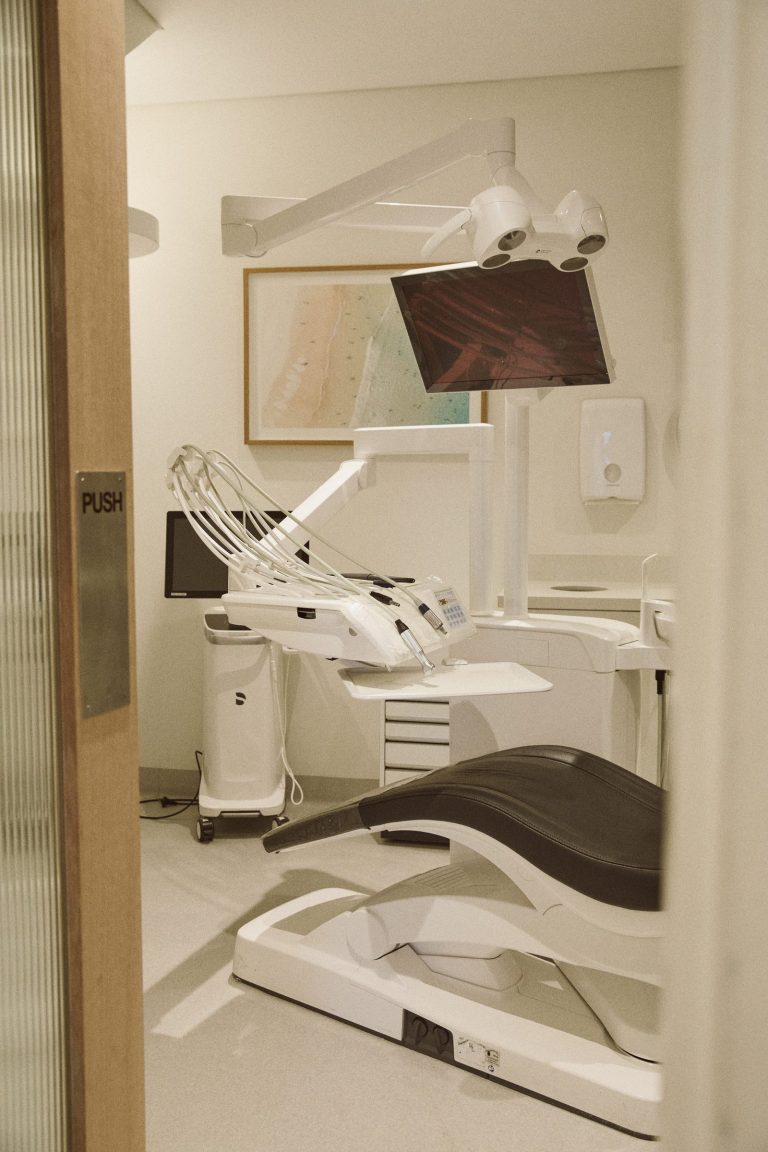
A treatment room at Dental Collective Vaucluse
  • OptionsLess invasive alternatives discussed before veneers
  • WrittenItemised quote before any treatment
  • ExaminationGums, enamel and bite assessed first
  • 2Clinics, with consultations at either

Suitability

When veneers may be considered

A veneer is a thin facing, of porcelain or composite resin, bonded to the front surface of a tooth to change its colour, shape or length. It may be considered in the situations below, although for each of them a less invasive option can also exist.

Discoloured teeth

Staining within the tooth itself, which whitening has not altered or is unlikely to alter.

Chipped teeth

Front teeth with small fractures or broken edges, where enough sound tooth remains to support a facing.

Rotated teeth

A tooth turned slightly out of line, where moving it orthodontically has been discussed and set aside.

Spaces between teeth

Modest gaps between the front teeth, which may alternatively be closed by moving the teeth.

Worn edges

Front teeth shortened by wear over many years, once the cause of the wear has been identified.

Irregular shape or size

A tooth noticeably smaller or differently shaped than its neighbours.

Veneers do not correct the bite, and they are not a substitute for treating decay or gum disease. A tooth that is heavily filled may be better served by a crown, and crowding is often better addressed by orthodontic treatment. Where another route suits your teeth better, we will say so.

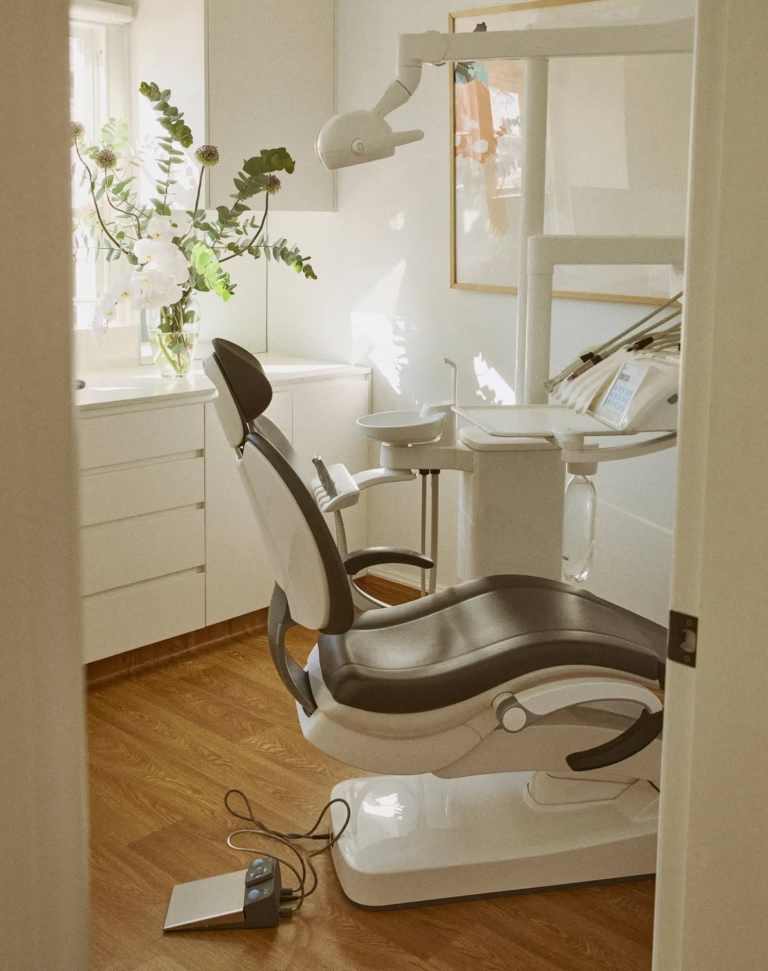
A treatment room at Dental Collective

Less invasive first

Options to weigh before veneers

Tooth whitening lightens the colour of natural teeth without removing any of them. We provide in-chair and take-home whitening, and for surface or age-related discolouration it is generally the first thing to consider.

Composite bonding adds tooth-coloured resin to a chipped or uneven tooth, often with no enamel removed. Orthodontic treatment, with clear aligners or braces, moves crowded or spaced teeth into line rather than covering them. Either can be followed by whitening or bonding if the colour or edges still concern you.

Choosing to leave your teeth as they are is also a legitimate choice, and one we will support.

None of these options is right for every mouth. Your examination decides which are open to you.

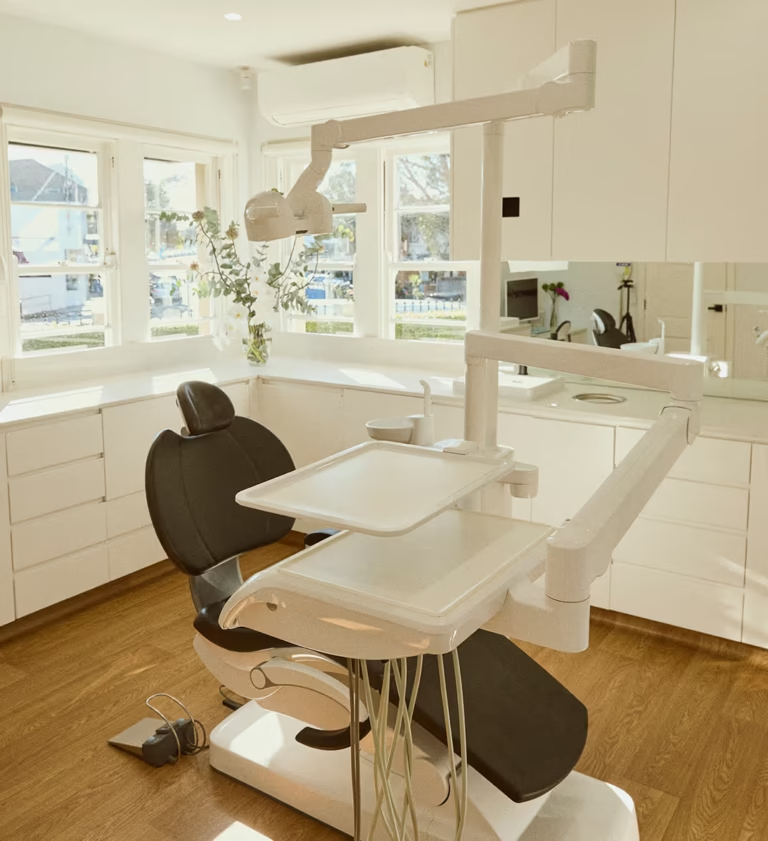
Two of our dentists at Dental Collective

The treatment

What a porcelain veneer involves

A porcelain veneer is fabricated by a dental laboratory, not shaped in the mouth. To make room for it, a thin layer of enamel is removed from the front of the tooth. The prepared teeth are then recorded with a digital scan, and the laboratory makes each veneer from that scan.

Because enamel does not grow back, a tooth prepared for a conventional porcelain veneer will always need a covering of some kind. When a veneer eventually needs replacing, it is replaced with another veneer or with a crown. That is the central fact of this treatment, and the reason we do not recommend it lightly.

Before any preparation, the proportions, shade and shape of each veneer are discussed and planned with you. We explain what a veneer can and cannot change on your teeth; we do not promise a particular appearance.

VeneerNatural toothRootGum
Illustration only, not to scale.

Porcelain veneers are an elective cosmetic treatment. Take whatever time you need to decide, and ask for a second opinion if it would help.
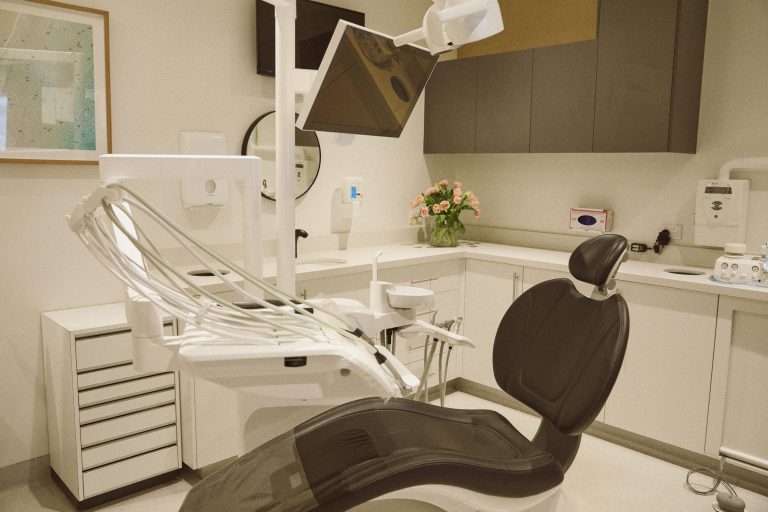
A treatment room at Dental Collective Rose Bay

The alternatives

Composite and prep-less veneers

Composite veneers are built up directly on the tooth by the dentist, using tooth-coloured resin, usually without laboratory work. Little or no enamel may need to be removed, depending on the tooth, and composite can generally be repaired or added to at a later appointment.

Composite is softer than porcelain. It is more prone to surface staining and wear, and it needs polishing and occasional repair over the years.

For some people, prep-less veneers are an option: thin porcelain facings that alter the shape and colour of a tooth without removing healthy tooth structure. They suit only certain teeth and bites, which your examination will establish.

Whitening, composite bonding to a single tooth, and orthodontic treatment to move teeth rather than cover them are also worth weighing before any veneer.

Comparing materials

Porcelain or composite veneers

Both are bonded to the front of the tooth, and both can alter its colour and shape. They differ in how they are made, how much of the tooth is prepared, and how they behave over time.

ConsiderationPorcelain veneersComposite veneers
How they are madeFabricated by a dental laboratory from a digital scan of the prepared teeth.Built up directly on the tooth by the dentist, in the chair.
Tooth preparationA thin layer of enamel is usually removed. This is irreversible.Often little or no enamel is removed, depending on the tooth.
AppointmentsAt least two, with temporary veneers worn while the laboratory works.Often completed in one appointment, although several teeth can take longer.
Over timeLess prone to surface staining. A chipped porcelain veneer usually has to be replaced.Can stain and wear. Chips can often be repaired directly.
ReplacementNeeded eventually, and the tooth beneath will always require a covering.Needed eventually, with more maintenance in the meantime.
FeeIncludes the laboratory's fabrication.No laboratory fabrication, which is reflected in the fee.

A general comparison only. Which material suits your teeth, if either, depends on your examination.

The process

Porcelain veneers, step by step

Porcelain veneers take at least two treatment appointments, spread over several weeks to allow for laboratory work. Composite veneers follow the same assessment but are usually placed in a single visit.

01

Consultation

We listen to what concerns you about your teeth and examine them, and explain every option, including leaving them as they are.

02

Records and assessment

X-rays, photographs and a digital scan show the health of your gums, the condition of the enamel, existing fillings and how your teeth meet.

03

Planning and quote

Proportions, shade and shape are discussed and planned with you. You receive a written, itemised quote and time to consider it before anything proceeds.

04

Preparation

Under local anaesthetic, a thin layer of enamel is removed and the prepared teeth are scanned for the laboratory. Temporary veneers are placed to protect them.

05

Fitting

The porcelain veneers are tried in, checked for fit and shade, bonded to the teeth, and your bite is adjusted where needed.

06

Review

A follow-up appointment checks your gums and bite once you have adjusted. If you grind your teeth, a night splint may be recommended.

Recovery and aftercare

Living with veneers

Recovery is gradual rather than dramatic, and veneers ask for steady care for as long as you have them.

The first days

Teeth that have been prepared are often sensitive to hot and cold for some days afterwards. This usually settles; tell us if it does not.

Temporary veneers

Temporaries protect the prepared teeth between appointments. They are less secure than the final veneers, so avoid hard and sticky foods while they are in place.

Bite and speech

The new shape of the front teeth can feel unfamiliar, and some sounds may take a little time to adjust. If your bite feels high or uneven, call the clinic.

Daily care

Brush twice a day and clean between the teeth. The veneer itself cannot decay, but the tooth beneath it and the gum at its edge still can.

Habits to avoid

Biting nails, pens or ice, and opening packets with the teeth, can chip porcelain and composite alike.

Over the years

Veneers do not last indefinitely. Regular examinations let us monitor their edges and the gums around them, and plan replacement when it is needed.

Risks and considerations

Veneers are an elective cosmetic procedure, and they carry real risks. We set them out here so that you can weigh them before your consultation, not after it.

Results vary from person to person. Suitability depends on an individual clinical assessment of your gum health, any decay, the condition of your enamel, your bite, and whether you clench or grind your teeth. Veneers are not suitable for everyone.

The alternatives include tooth whitening, composite bonding, orthodontic treatment to move the teeth, a crown where a tooth is heavily restored, or no treatment at all. Because the preparation is irreversible, we encourage you to seek a second opinion before you begin.

  • Irreversible preparation. Enamel removed for a conventional porcelain veneer does not grow back. The tooth will always need a veneer or crown to cover it.
  • Sensitivity. Prepared teeth are commonly sensitive to temperature for some days. It is usually temporary.
  • Chipping or fracture. Porcelain and composite can both chip or break, particularly under heavy biting forces.
  • Debonding. A veneer can come away from the tooth and need to be rebonded or remade.
  • Staining and wear. Composite in particular can discolour and wear over time.
  • Shade mismatch. Your natural teeth continue to change colour with age, while a porcelain veneer does not, so the two may not match in later years.
  • Gum irritation. The gum at the edge of a veneer can become inflamed, especially where cleaning is difficult.
  • Bite and speech changes. An adjustment period is normal, and some veneers need further adjustment.
  • Nerve inflammation. In rare cases the nerve of a prepared tooth becomes inflamed, and root canal treatment may be needed.
  • Grinding. Clenching or grinding increases the risk of fracture. A night splint may be recommended, and we provide them.
  • Replacement. Veneers do not last indefinitely and will need replacing over time, which carries its own cost.

Fees

Veneer cost and health funds

Because every case differs in the number of teeth and the material chosen, we do not publish a single veneer fee. You receive a written, itemised quote before any treatment begins.

All fees are quoted before any health fund rebate. Your quote sets out each item of treatment, so you can see exactly what the fee comprises.
Artwork and orchids at Dental Collective Rose Bay

What determines the fee

  • The number of teeth. The single largest factor.
  • Porcelain or composite. The two materials involve different clinical time and different fabrication.
  • Laboratory work, which applies to porcelain veneers and is included in your quote.
  • Preparatory treatment, such as fillings or gum treatment required before veneers can be placed.

Health funds and Medicare

Many private health funds treat veneers as cosmetic and may pay little or nothing towards them. We can provide the item numbers so that you can check your cover with your fund before deciding.

Medicare does not cover cosmetic dental treatment.

Our dentists

Each of our dentists holds general registration with the Dental Board of Australia, and veneer consultations are available at either clinic. Their registration numbers appear below, in line with AHPRA's guidelines for advertising cosmetic procedures such as veneers.

Our clinics

Veneer consultations can be booked at either clinic, online, by phone, or through the enquiry form below.

Veneers: common questions

Are porcelain veneers reversible?

No. A conventional porcelain veneer needs a thin layer of enamel removed, and enamel does not regenerate. Once prepared, the tooth will always need a veneer or a crown over it.

Composite veneers and prep-less porcelain veneers can involve little or no removal of tooth structure, which is one reason we discuss them first where they suit.

Should I try whitening or bonding before veneers?

Often, yes. Whitening changes the colour of your own teeth without removing enamel, and composite bonding can repair chips and small gaps with little or no preparation. If either addresses your concern, it leaves veneers available later.

Could orthodontic treatment work instead of veneers?

For crowded, spaced or rotated teeth, frequently. Clear aligners or braces move the teeth themselves, with nothing removed from them, and they can also address the bite, which veneers cannot.

What is the difference between porcelain and composite veneers?

Porcelain veneers are made by a dental laboratory from a scan of the prepared teeth and bonded at a second appointment. Composite veneers are built up directly on the tooth by the dentist.

Porcelain is less prone to surface staining; composite is more readily repaired. Both need replacing in time.

Am I suitable for veneers?

That depends on the health of your gums, the absence of active decay, how much sound enamel remains, how your teeth meet, and whether you grind them. An examination, with x-rays, answers the question.

If whitening, bonding or orthodontic treatment would address your concern with less change to the tooth, we will tell you.

How many appointments do porcelain veneers take?

At least two treatment appointments after your assessment: one to prepare and scan the teeth, and one to fit the finished veneers. The time between them allows the laboratory to fabricate them, so the process commonly spans several weeks. A review follows.

Will it hurt, and what is recovery like?

Preparation is carried out under local anaesthetic. Afterwards, sensitivity to hot and cold for some days is common, and your bite and speech may take a little time to adjust to the new shape of the teeth.

Temporary veneers are worn between appointments and need care with hard or sticky food.

How much do veneers cost?

The fee depends on how many teeth are treated, whether porcelain or composite is used, any preparatory treatment, and laboratory work. We provide a written, itemised quote before any treatment, and all fees are quoted before any health fund rebate.

Will my health fund or Medicare contribute?

Medicare does not cover cosmetic dental treatment. Many private health funds regard veneers as cosmetic and may pay little or nothing. We can give you the item numbers so that your fund can confirm your cover.

How long do veneers last?

Veneers do not last indefinitely, and how long a particular veneer lasts varies with the material, your bite, grinding habits and care. Composite generally needs more maintenance than porcelain. Plan on replacement at some point, and on regular examinations in the meantime.

Are your dentists cosmetic specialists?

No. Our dentists are general dentists with general registration, and there is no registered specialty of cosmetic dentistry in Australia. Their registration numbers are listed on this page.

Where a case is better managed by a registered specialist prosthodontist, we arrange a referral.

Arrange a consultation

Tell us briefly what concerns you about your teeth, and which clinic suits you, and a member of our team will be in touch.

Vaucluse and Rose Bay

Begin with an examination.

Book online at either clinic, or call and our team will arrange a time that suits you.