
Vaucluse
About our Vaucluse clinic. The clinic is a short distance from Watsons Bay, Dover Heights and Rose Bay.
Braces and orthodontic treatment
Metal and tooth-coloured ceramic braces for children, teenagers and adults, with consultations and treatment at either of our clinics. Every course of treatment begins with an assessment, and the options, the likely duration and the cost are explained to you before anything is fitted.
When braces are considered
Fixed braces are the most commonly used method for comprehensive orthodontic treatment. They are considered for concerns such as these, in children, teenagers and adults alike. Whether treatment is appropriate, and when it should begin, is decided at an assessment.
Teeth that overlap or have turned because there is too little room in the jaw for them to sit in line.
Gaps between the teeth, whether from small or missing teeth or from a wide arch.
Upper front teeth that close down deeply over the lower front teeth.
Lower front teeth that close in front of the upper front teeth.
Upper teeth that close inside the lower teeth, on one side of the mouth or at the front.
Front teeth that do not meet when the back teeth are together.
Where the underlying cause lies in the growth of the jaws, or the movement needed is extensive, a registered specialist orthodontist may be the appropriate choice. Where that applies, we arrange a referral.

For children
An orthodontic assessment does not need to wait until every adult tooth has arrived. For children who still have baby teeth, an early examination lets us see how the jaws are growing and how the adult teeth are coming through.
In some cases, early treatment with a palatal expander or a removable appliance can help guide jaw growth and dental development, and may reduce the extent of treatment needed later. In many others, the sound advice is to wait, and to review again as the adult teeth erupt.
Early treatment does not always remove the need for braces later. We explain what an appliance is intended to achieve, and what it is not, before recommending one.
Metal and ceramic braces
Fixed braces consist of small brackets bonded to the front of each tooth, joined by a fine archwire. The wire applies light, continuous pressure, and at each adjustment appointment it is changed or adjusted to guide the teeth progressively toward their planned positions.
We provide traditional metal braces and tooth-coloured ceramic brackets. Metal brackets are compact and hard wearing; ceramic brackets take on the colour of the teeth and are less conspicuous in conversation. For teenagers, fixed braces carry a practical advantage: they work around the clock, without anyone needing to remember to wear an appliance.
Our dentists are general dentists rather than registered specialist orthodontists. Where a case calls for specialist care, we arrange a referral.
For adults
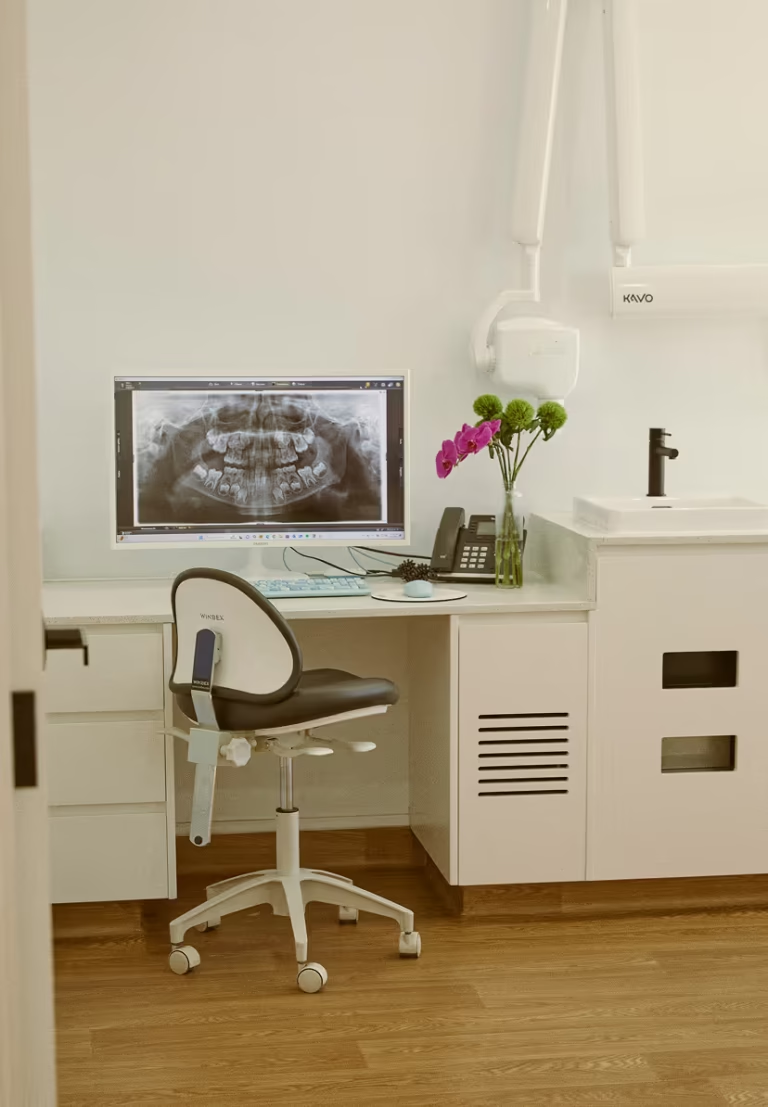
Braces are not only for teenagers. For adults, the condition of the gums and supporting bone, together with any crowns, bridges or implants, determines what is achievable, which is why x-rays form part of every assessment.
Many adults choose ceramic brackets for their discretion at work. Others prefer metal, which is smaller and less prone to chipping. Both stay in place for the length of treatment, and both are removed once the teeth have reached their planned positions.
Gum health is assessed and, where needed, treated before braces are fitted, because moving teeth through inflamed gums increases the risk of recession.
Choosing brackets
Both are fixed braces, both work in the same way, and both are adjusted on the same schedule. The choice between them rests largely on appearance, durability and fee, and we discuss it with you at your assessment.
| Consideration | Metal braces | Ceramic braces |
|---|---|---|
| Appearance | Silver brackets, visible when you speak and smile. | Tooth-coloured brackets, less conspicuous in conversation. |
| Durability | Strong, and unlikely to chip or fracture. | More brittle, so a bracket can chip or come away more readily. |
| Size | Generally the smaller of the two. | Often slightly larger, to allow for the strength of the material. |
| Staining | The brackets do not discolour. | The brackets hold their colour, although the elastic ties can discolour with coffee, tea or red wine. |
| Fee | Generally the lower-cost option. | Generally a higher fee than metal. |
| Bite | Suitable on upper and lower teeth in most cases. | In a deep bite, ceramic can wear the opposing teeth, so metal may be advised on some teeth. |
An overview only. The right bracket for you depends on your bite and your examination.
The process
Each stage is explained before it begins. Comprehensive treatment commonly runs around 18 to 24 months, although the duration varies from case to case.
A free first appointment, at either clinic. It is a limited examination to assess your concerns, or your child's, and whether orthodontic treatment is suitable, with information about the options and their likely cost.
Photographs, x-rays and records of the bite show how the teeth and jaws relate, and whether braces, another approach or a specialist referral is appropriate.
An itemised treatment plan and quote, including retainers, before treatment begins, so that the full commitment is clear to you and to your family.
Any fillings or gum care are completed first. The brackets are then bonded, the archwire placed, and the care of the braces explained in detail.
Appointments at intervals set by your dentist, at which the wire is changed or adjusted and progress is checked against the plan.
When the teeth have reached their planned positions, the braces are removed and retainers fitted. Retainers are worn long term, because teeth continue to shift throughout life.
Day to day
Braces call for a few changes to daily routine, particularly for younger patients. These are the ones we explain to every family.
Hard, sticky and chewy foods can loosen brackets or bend the wire. Nuts, toffee, hard crusts and ice are avoided, and firmer foods are cut into small pieces.
Brushing around each bracket and beneath the wire takes longer than before. Small interdental brushes reach the spaces a toothbrush misses.
A mouthguard is essential for contact sport throughout treatment. We make custom sports mouthguards, and can advise on one that accommodates the braces.
The teeth are often tender for a few days after the braces are fitted and after each adjustment. Softer food and ordinary pain relief usually help.
If a bracket comes loose or a wire begins to rub, contact the clinic. We will advise whether it needs attention before your next visit.
Once the braces come off, retainers hold the teeth in their new positions. They are part of treatment, not an optional extra.
Orthodontic treatment is routine, and it still carries material risks. We set them out here so that you, and your child, can weigh them before treatment rather than after it.
Individual results vary, and suitability depends on an individual clinical assessment. Not every patient is suited to fixed braces, and not every concern needs treatment.
Alternatives include clear aligners, limited treatment of a few teeth, or no treatment at all. Our dentists are general dentists, and complex cases are referred to a registered specialist orthodontist. We encourage a second opinion before beginning treatment of this length and cost.
Fees
The fee for braces depends on the case, so we do not quote a figure before an examination. You receive a written, itemised quote before any treatment begins, and all fees are stated before any health fund rebate.
The initial orthodontic consultation is free. It is a limited examination to assess your concerns and whether orthodontic treatment is suitable, with information about the options and their likely cost.
The quote sets out each element of treatment, from records and fitting through to retainers. If you are deciding between metal and ceramic brackets, we can show you how the choice affects the fee before you commit.
Private health fund cover for orthodontics usually sits under a separate lifetime limit, with its own waiting period, and it varies between funds and policies. We can provide item numbers so that your fund can confirm your rebate.
Medicare generally does not cover orthodontic treatment, and orthodontics is excluded from the Child Dental Benefits Schedule, including for children who are otherwise eligible for it.
Dental Collective is one practice across two locations, and orthodontic consultations and treatment are available at both our Vaucluse and Rose Bay clinics.

Principal dentist · Vaucluse and Rose Bay
BSci (Dist) UOW, BDent (Hons) USyd

Dentist · Rose Bay
BDS, University of the Witwatersrand

Dentist · Vaucluse
BDS (USyd), BSci
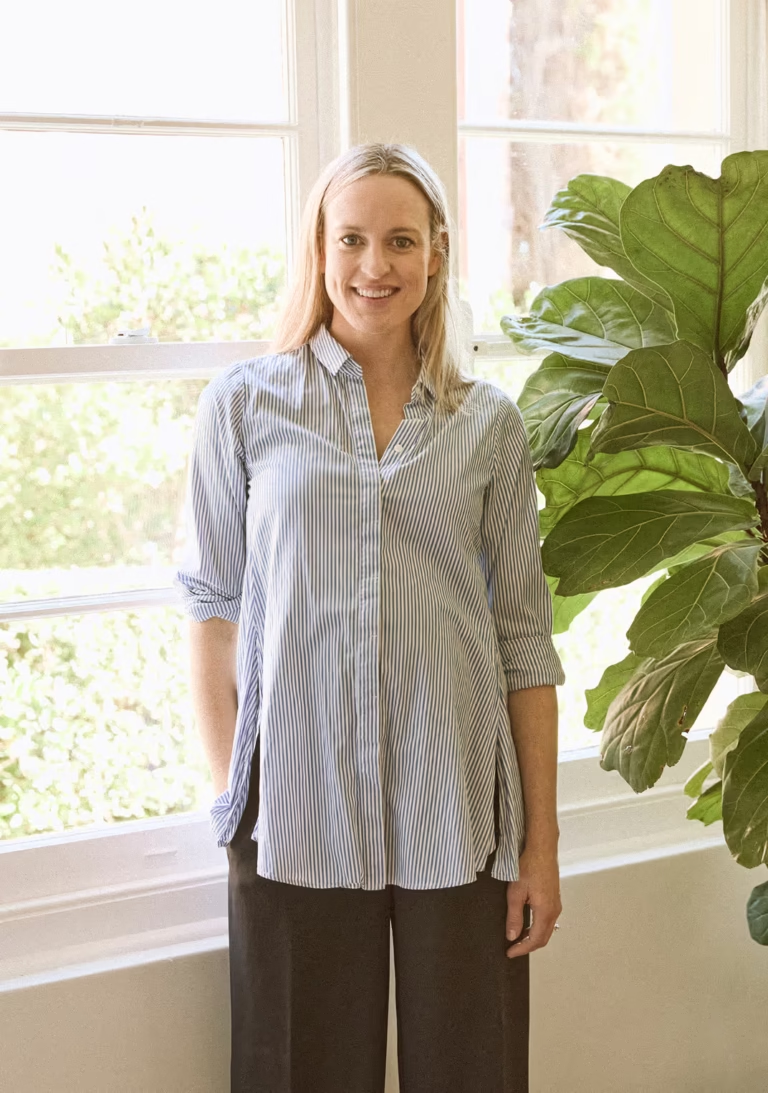
Dentist · Vaucluse
BDS (Adel), MScMed (Pain Mgt) (Syd)
Appointments for you or your family can be arranged at either clinic, online, by phone, or through the enquiry form below.

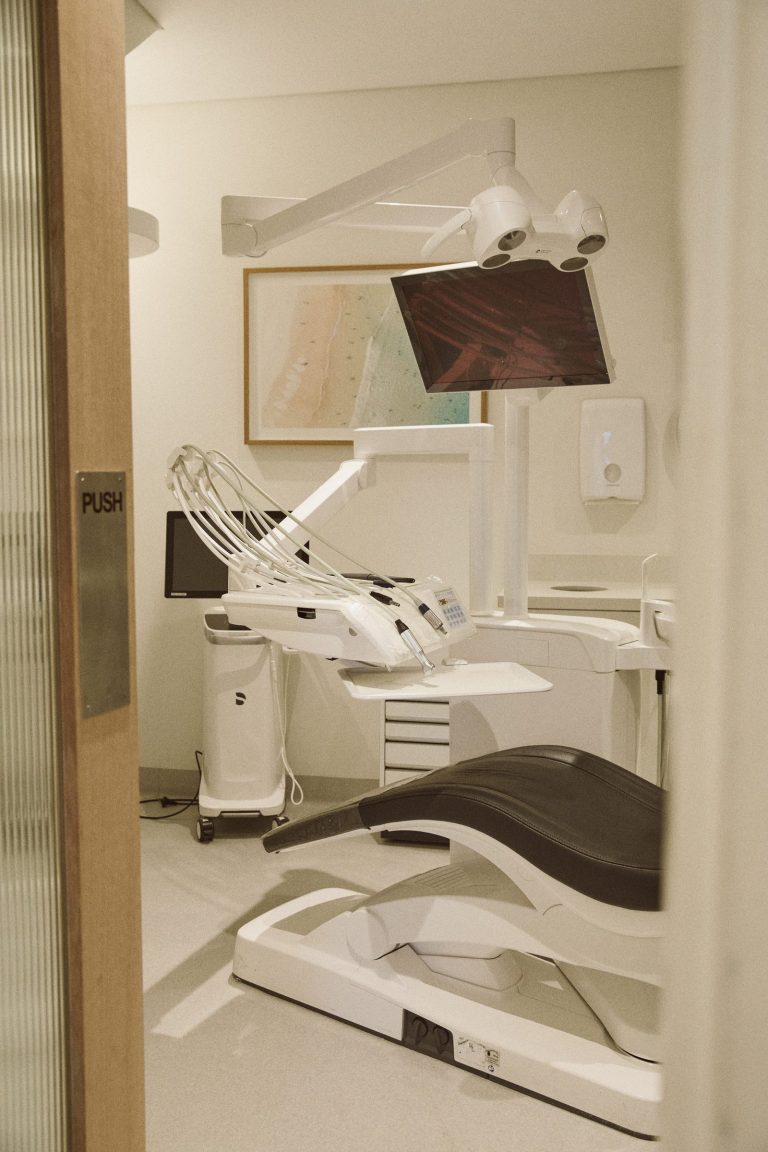
1/75 New South Head Road, Vaucluse NSW 2030
About our Vaucluse clinic. The clinic is a short distance from Watsons Bay, Dover Heights and Rose Bay.
Suite 4, 535 Old South Head Road, Rose Bay NSW 2029
About our Rose Bay clinic. The clinic is a short distance from Bellevue Hill, Point Piper, Double Bay, Dover Heights and North Bondi.
There is no single age that suits every child. An assessment while some baby teeth remain lets us see how the jaws are developing and how the adult teeth are coming through.
Often the advice is simply to monitor. Where early treatment is appropriate, we explain what it is intended to do before anything is recommended.
Most children do not. Early treatment, such as palatal expansion or a removable appliance, is considered where it can help guide jaw growth and dental development, and it may reduce the extent of treatment needed later. It does not always avoid the need for braces afterwards.
It depends on the movement needed and on how reliably aligners would be worn. Braces work continuously, while aligners work only while they are in. We discuss both with you and your teenager at the assessment.
Yes. Teeth can be moved at any age. In adults, the health of the gums and bone and any existing crowns, bridges or implants matter more than age, so x-rays form part of every assessment.
Metal brackets are smaller and less likely to chip. Ceramic brackets are tooth-coloured and less conspicuous, generally at a higher fee. In some bites, metal is advised for particular teeth.
We recommend an option once we have examined your bite.
Yes. Orthodontic consultations and treatment are available at both our Vaucluse and Rose Bay clinics. Mention the clinic that suits you when you book.
The fee depends on the case: the extent of movement, the duration, metal or ceramic brackets, whether one or both arches are treated, any preparatory treatment, and retainers. You receive a written, itemised quote before treatment begins.
Your initial orthodontic consultation is free. It is a limited examination to assess your concerns and whether treatment is suitable, and it includes information about the options and what they are likely to cost.
Medicare generally does not cover orthodontic treatment, and orthodontics is not included in the Child Dental Benefits Schedule.
Many private funds include orthodontics under a separate lifetime limit with its own waiting period. We can provide item numbers so that your fund can confirm the rebate.
Comprehensive treatment commonly runs around 18 to 24 months, although it varies with the case and with how well the braces are looked after. We give an estimate once records have been assessed.
The teeth are usually tender for a few days after fitting and after each adjustment, and brackets can cause ulcers while the mouth adapts. Softer food and ordinary pain relief usually help.
No. Every dentist at Dental Collective is a general dentist, and none holds specialist registration in orthodontics. Parents often search for an orthodontist, so the difference is worth knowing: a registered specialist orthodontist has completed further university training in orthodontics, while general dentists may also provide orthodontic treatment.
Where a case calls for a specialist, we arrange a referral.
Arrange an assessment
Tell us a little about the concern, whether the appointment is for you or your child, and which clinic suits you, and our team will be in touch.
Vaucluse and Rose Bay
Book online at either clinic, or call and our team will arrange a time that suits your family.